
According to the Environmental Protection Agency, indoor air can be two to five times more polluted than outdoor air, turning the place where your family sleeps, eats, and relaxes into a primary source of respiratory distress. When a household member wakes up with a stuffy nose, itchy eyes, a scratchy throat, or wheezing, outdoor pollen often takes the blame. In reality, modern homes are built tightly for energy efficiency, which inadvertently traps microscopic irritants indoors year-round. Dust mites, pet dander, mold spores, cockroach allergens, and volatile organic compounds accumulate inside ventilation networks, textiles, and structural crevices where routine surface tidying cannot reach.
Quickly wiping down kitchen counters or running a feather duster across bookshelves rarely solves chronic indoor symptoms because surface cleaning only addresses visible clutter. Lasting allergy relief requires a dual strategy that pairs targeted deep-cleaning habits with preventative home maintenance. By systematically addressing hidden moisture, mechanical airflow, porous fabrics, and structural wear, you can eliminate allergen reservoirs at their source and create a healthier living environment for every member of your family.
Optimizing Indoor Airflow and Filtration Systems
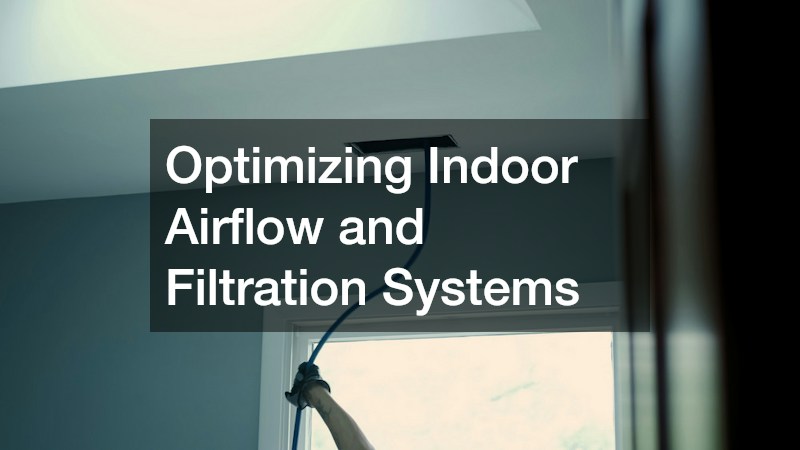
Your home’s heating and cooling equipment acts as its respiratory system, circulating air through every bedroom and living space multiple times a day. If that network is poorly filtered or compromised by mechanical leaks, it becomes an efficient delivery mechanism for airborne triggers. Standard one-inch fiberglass furnace filters are designed primarily to protect mechanical components from large debris, allowing microscopic pollen grains, smoke particles, and pet dander to pass straight back into your living rooms.
To capture fine respiratory irritants before they recirculate, focus on both filtration efficiency and mechanical integrity across your heating and cooling equipment:
- Upgrade to pleated MERV 11 through MERV 13 filters: Minimum Efficiency Reporting Value ratings measure how effectively a filter traps airborne particles. Moving up to a pleated MERV 11 or MERV 13 filter captures significantly smaller particles, including pet dander and mold spores, without overworking most modern residential blowers. Check your manufacturer manual first to confirm your system supports higher-resistance media.
- Follow a strict filter replacement calendar: A clogged filter restricts airflow and forces air to bypass the media frame altogether. Replace standard pleated filters every 60 days, or shorten that interval to every 30 to 45 days if you have shedding pets, smokers, or family members with severe seasonal sensitivities.
- Inspect mechanical seals and drainage components: Cracked return plenums, dirty evaporator coils, and obstructed condensate drain lines draw dusty attic or basement air into your living spaces while creating standing moisture inside the air handler. Scheduling timely HVAC repair whenever you notice uneven room temperatures, unusual humidity spikes, or musty odors from your vents ensures the system stays tightly sealed and drains condensation properly.
- Clear decades of buildup from hidden ductwork: Over years of operation, supply and return ducts accumulate construction dust, shed skin cells, and dander that puff out whenever the blower turns on. Hiring a reputable air duct cleaning service that uses negative-pressure HEPA vacuuming is especially worthwhile after home renovations, upon moving into an older property, or if dark dust streaks appear around registers.
- Vacuum supply registers and return grilles monthly: Remove metal vent covers and wash them in warm, soapy water while vacuuming inside the accessible boot area with a crevice tool to stop dust from blowing back into bedrooms.
Eliminating Hidden Moisture and Preventing Fungal Growth
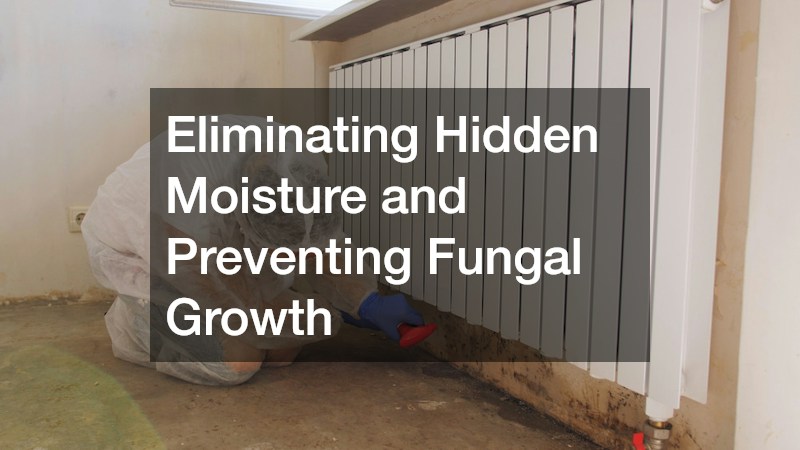
Moisture is the single biggest catalyst for severe indoor allergy flare-ups. Dust mites do not drink water; instead, they absorb moisture directly from the air and thrive whenever indoor relative humidity climbs above 50 percent. At the same time, airborne mold spores—present in virtually every indoor and outdoor environment—remain dormant until they land on a damp organic surface such as drywall paper, wood framing, or dust layers, where they can begin colonizing within 24 to 48 hours.
Keeping your home dry requires constant vigilance over ambient humidity levels as well as rapid intervention whenever plumbing or weather events introduce unwanted water:
- Maintain indoor relative humidity between 30 and 50 percent: Place inexpensive digital hygrometers on every level of your home, including the basement. Run portable or whole-home dehumidifiers during humid summer months, and keep indoor humidity low enough in winter to prevent condensation on cold windowpanes.
- Ventilate moisture-producing activities at the source: Always run bathroom exhaust fans during showers and for at least 20 minutes afterward, ensuring the fan vents directly outdoors rather than into an unconditioned attic. Use a ducted range hood whenever boiling water or cooking on the stovetop.
- Investigate unexplained respiratory symptoms behind walls: Hidden leaks behind shower surrounds, beneath sinks, or around window flashing often nurture unseen fungal colonies behind baseboards and under subfloors. If family members experience chronic sinus congestion, headaches, or coughing that improves after leaving the house for a few days, scheduling professional mold testing with air sampling and moisture meters can pinpoint hidden contamination before you disturb affected drywall.
- Act within 24 to 48 hours after any water intrusion: Household box fans rarely dry moisture trapped inside wall cavities or beneath carpet padding. After a burst pipe, overflowing appliance, or basement storm seepage, bringing in certified water damage restoration specialists ensures wet structural materials are extracted, dried with commercial dehumidifiers, and treated safely before permanent spore colonization takes hold.
- Check window sills, refrigerator drip pans, and washing machine gaskets weekly: Wipe down rubber front-load washer seals after laundry days and leave the door slightly ajar so residual moisture evaporates completely.
Safeguarding Bathrooms, Kitchens, and Plumbing Systems
Kitchens and bathrooms experience daily fluctuations in heat, steam, and organic residue, making them prime incubators for biological allergens. Beyond visible mildew on shower grout, plumbing fixtures and water-heating appliances play an overlooked role in how effectively your household can neutralize microscopic triggers during routine cleaning and laundry cycles.
A few targeted adjustments to how you maintain drains, water temperatures, and cleaning products can dramatically lower irritant levels in high-moisture rooms:
- Eliminate slow drainage and organic biofilm buildup: Hair, soap scum, and food particles collect inside bathroom and kitchen pipes, creating dark, perpetually wet environments where bacteria, fungi, and drain flies multiply and release musty bioaerosols into the air. Fit every tub and sink with fine-mesh strainers, flush drains monthly with enzymatic cleaners, and address clogged drains immediately so stagnant water never backs up into basins.
- Verify that your hot water reaches 130°F for sanitizing laundry: Clinical research demonstrates that washing sheets and clothing in cold or warm water leaves most dust mites alive, whereas water heated to at least 130°F (54°C) reliably kills them. Booking routine water heater services to flush mineral sediment from the tank, test thermostats, and inspect heating elements ensures your unit delivers consistent high-temperature water across consecutive laundry loads—just confirm anti-scald mixing valves are installed on faucets to protect young children.
- Ditch synthetic fragrances and harsh chlorine sprays: Strong floral air fresheners, scented candles, and aerosol disinfectants release volatile organic compounds that irritate sensitive airways and mimic allergic reactions. Switch to fragrance-free, plant-based surfactants for daily wiping.
- Sanitize tile grout and caulking with non-toxic oxidizers: Spray a 3 percent hydrogen peroxide solution or distilled white vinegar onto damp shower corners, let it sit for 10 minutes to break down surface mildew, and scrub with a stiff nylon brush before rinsing clean.
- Clean refrigerator coils and drip pans twice a year: Dust-coated condenser coils trap pet hair and dander, while stagnant water in the drip pan breeds mold that the appliance fan blows directly across your kitchen floor.
Deep-Cleaning Soft Surfaces, Fabrics, and Furnishings
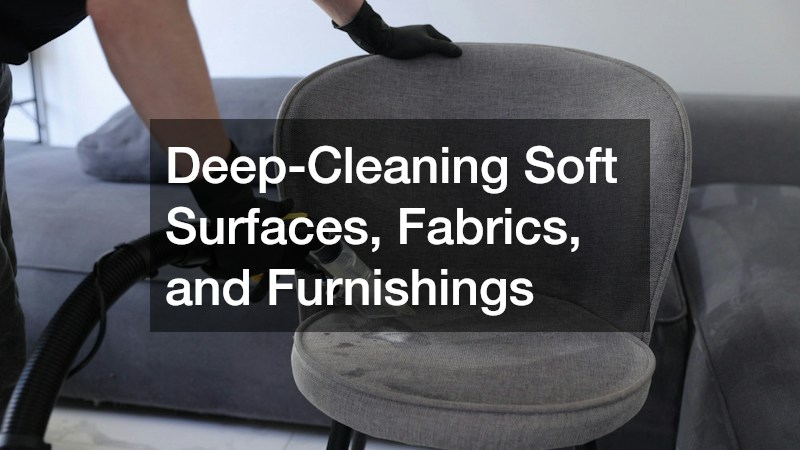
Porous household textiles act like giant sponges for indoor allergens. Every time someone sits on a sofa, flops onto a bed, or walks across a plush rug, microscopic clouds of dust mite fecal pellets, dried pet saliva proteins, and tracked-in outdoor pollen launch back into the breathing zone. Because standard household vacuums only pull debris from the upper layer of fibers, soft surfaces require both weekly discipline and periodic deep extraction.
Concentrate your fabric-care efforts on the soft surfaces where your family spends the most hours resting and sleeping:
- Encase all mattresses, box springs, and pillows: Bedrooms harbor the highest concentration of dust mites because humans shed millions of skin cells each night while warming the bedding with body heat. Zip tightly woven, breathable allergen-proof encasements over every mattress and pillow in the house so mites cannot enter or escape.
- Wash all family bedding weekly in hot water: Strip sheets, pillowcases, and light blankets every seven days and launder them in hot water, drying them thoroughly on high heat. Keep decorative throw pillows and plush stuffed animals off children’s beds, or place non-washable toys in a sealed plastic bag in the freezer for 24 hours monthly to neutralize mites.
- Schedule hot-water extraction for rugs and wall-to-wall floors: Even diligent weekly vacuuming leaves abrasive grit, pollen, and dander embedded near the backing of dense pile fibers. Hiring a professional carpet cleaning company every six to twelve months lifts deep-seated contaminants using high-temperature steam extraction—just confirm they utilize high-powered truck-mounted suction so fibers dry within hours rather than staying damp.
- Extract embedded dander and skin oils from living room seating: Sofas, armchairs, and fabric headboards absorb daily skin flakes and pet fur yet rarely receive deep maintenance. Vacuum upholstered cushions weekly using a clean brush attachment, and arrange annual upholstery cleaning to flush out allergens trapped beneath fabric weaves.
- Replace heavy fabric draperies with washable window coverings: Floor-length velvet or pleated curtains collect enormous amounts of dust and pollen near open windows. Swap them for wipeable faux-wood blinds, cellular shades, or lightweight cotton curtains that can be tossed into the washing machine every season.
Upgrading and Maintaining Hard Surfaces and Hearth Areas

Hard floors and fireplace hearths are often assumed to be naturally allergy-friendly, yet structural gaps, deteriorating finishes, and neglected chimneys can turn them into persistent sources of fine particulate matter. Dust settles into unsealed floorboards, pet dander wedged beneath baseboards re-aerosolizes with every footstep, and negative indoor air pressure can pull soot and outdoor debris down unused flues.
Combining smart structural upgrades with non-scattering cleaning techniques keeps hard surfaces truly clean rather than simply redistributing dust:
- Eliminate structural dust traps and aging floor coverings: Cracked ceramic grout, wide gaps between unsealed hardwood planks, and frayed, decades-old wall-to-wall carpeting harbor stubborn reservoirs of allergens that resist standard cleaning. Consulting a qualified flooring service to sand and seal gapped wood boards, re-grout porous tile, or replace worn bedroom carpets with smooth, low-VOC solid hardwood, cork, or luxury vinyl gives allergens nowhere to hide.
- Keep fireplace flues and dampers clean and tightly sealed: Unused or poorly maintained chimneys frequently accumulate fine ash, creosote, damp leaves, and bird or squirrel nesting materials—all carrying mold spores and parasites that downdrafts push straight into your living room. Scheduling certified chimney cleaners every autumn to sweep the flue, verify damper seals, and install a screened chimney cap prevents outdoor debris and particulate soot from infiltrating indoor air.
- Replace feather dusters and dry brooms with damp microfiber: Dry sweeping and feather dusting launch fine particulate matter into the air, where it can remain suspended for hours before settling back onto furniture. Wipe surfaces top-to-bottom using slightly damp microfiber cloths that electrostatically trap particles inside the weave.
- Vacuum hard floors twice weekly with a sealed true HEPA machine: Standard vacuums without sealed filtration exhaust microscopic allergens right back through their motor vents. Use a vacuum equipped with a true HEPA filter and a soft-bristle hard-floor head so you capture fine dust without scratching finishes or blowing debris across the room.
- Implement a strict shoes-off policy at every entryway: Place commercial-grade scraper mats both outside and inside exterior doors, along with a dedicated shoe rack, to stop outdoor grass pollen, pesticides, and heavy soil from ever reaching interior floors.
Transforming an allergy-triggering house into a clean, breathable sanctuary does not require exhausting weekend marathons or living inside a sterile bubble. Trying to overhaul every room, appliance, and textile at once quickly leads to burnout. Instead, break the process into manageable seasonal milestones: start this week by encasing bedroom mattresses, swapping out your furnace filter, and establishing a shoes-off entryway, then schedule professional system inspections and deep textile cleanings across the spring and autumn months.
By consistently controlling indoor moisture, upgrading mechanical filtration, and removing deep-seated dust from fabrics and hard surfaces, you interrupt the cycle that keeps immune systems on constant high alert. Over time, these straightforward cleaning and maintenance habits pay off in deeper sleep, clearer sinuses, fewer sick days, and a home where your entire family can breathe comfortably in every season.